Transform Your Coaching with Mental Skills Training
Discover proven strategies to develop commitment, communication, concentration, control, and confidence in your athletes—no matter the sport.
The 5Cs for Coaches
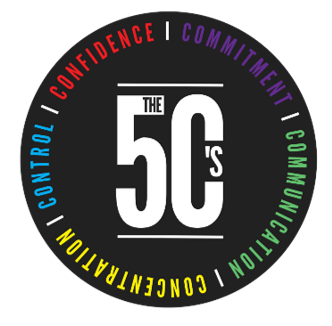
As a coach, you know that sport challenges young athletes not only physically and technically, but also mentally, emotionally, and socially. The 5Cs framework—Commitment, Communication, Concentration, Control, and Confidence—helps coaches integrate key sport psychology principles into everyday practice. By doing so, you can nurture essential life skills, enhance athletes’ enjoyment and performance, and strengthen relationships with them and their families. Training in the 5Cs equips you to coach with greater psychological awareness and to foster growth that extends beyond sport.

Commitment
Commitment represents the 'motivation-related' C in the framework. Commitment-focused coaches are skilled at helping athletes to understand and value the demonstration of effort, learning and improvement-oriented behaviours away from unhealthy comparisons with other athletes.
What does this mean for you?
- Set realistic, age-appropriate goals that are reviewed regularly with the athlete.
- Encouraging athletes to take responsibility e.g., arriving prepared to start at the training time, setting their own goals and targets with input from coach.

Communication
Communication represents the 'interpersonal' and social-related C in the framework. Communication-focused coaches are skilled at helping athletes develop their verbal and non-verbal behaviours in ways that build and maintain positive and healthy relationships in sport
What does this mean for you?
- Actively listening to athletes' concerns and ideas.
- Encouragement of questions and open discussion during training sessions.

Concentration
Concentration represents the 'attention-related' C in the framework. Concentration-focused coaches are skilled at helping athletes understand the attentional demands of the sport and creating strategies for focusing on what is relevant to the task in the midst of internal and external distractions that can impact performance.
What does this mean for you?
- Use of structured sessions with clear objectives that are engaging and varied.
- Teach pre-performance routines during training e.g., routine to use between points, routine to use before serving.

Control
Control represents the 'emotion-related' C in the framework. Control-focused coaches are skilled at helping athletes understand the range of emotions that sport can activate, working with them on practical strategies for accepting and managing their emotions before, during and after performances.
What does this mean for you?
- Model calm behaviour under pressure.
- Create pressure moments during training and use these moments as teaching opportunities e.g., teaching the athlete how to reset after mistakes.
- Reinforcement that mistakes can be learned from.
Confidence
Confidence represents the 'belief-related' C in the framework. Confidence-focused coaches are skilled at helping athletes to engage in confident behaviours underpinned by confident decision-making that ultimately strengthens their self-belief.
What does this mean for you?
- Praise correct decision-making during practice points/matches.
- Create achievable challenges during training.
Let's get your journey started!
Improve your integration of psychology into your coaching practice. Learn more about how you can foster the 5Cs in your athletes.