Master Your Mind. Maximize Your Performance.
Develop the psychological skills elite athletes use—commitment, communication, concentration, control, and confidence—to perform at your best when it matters most.
The 5Cs for Athletes
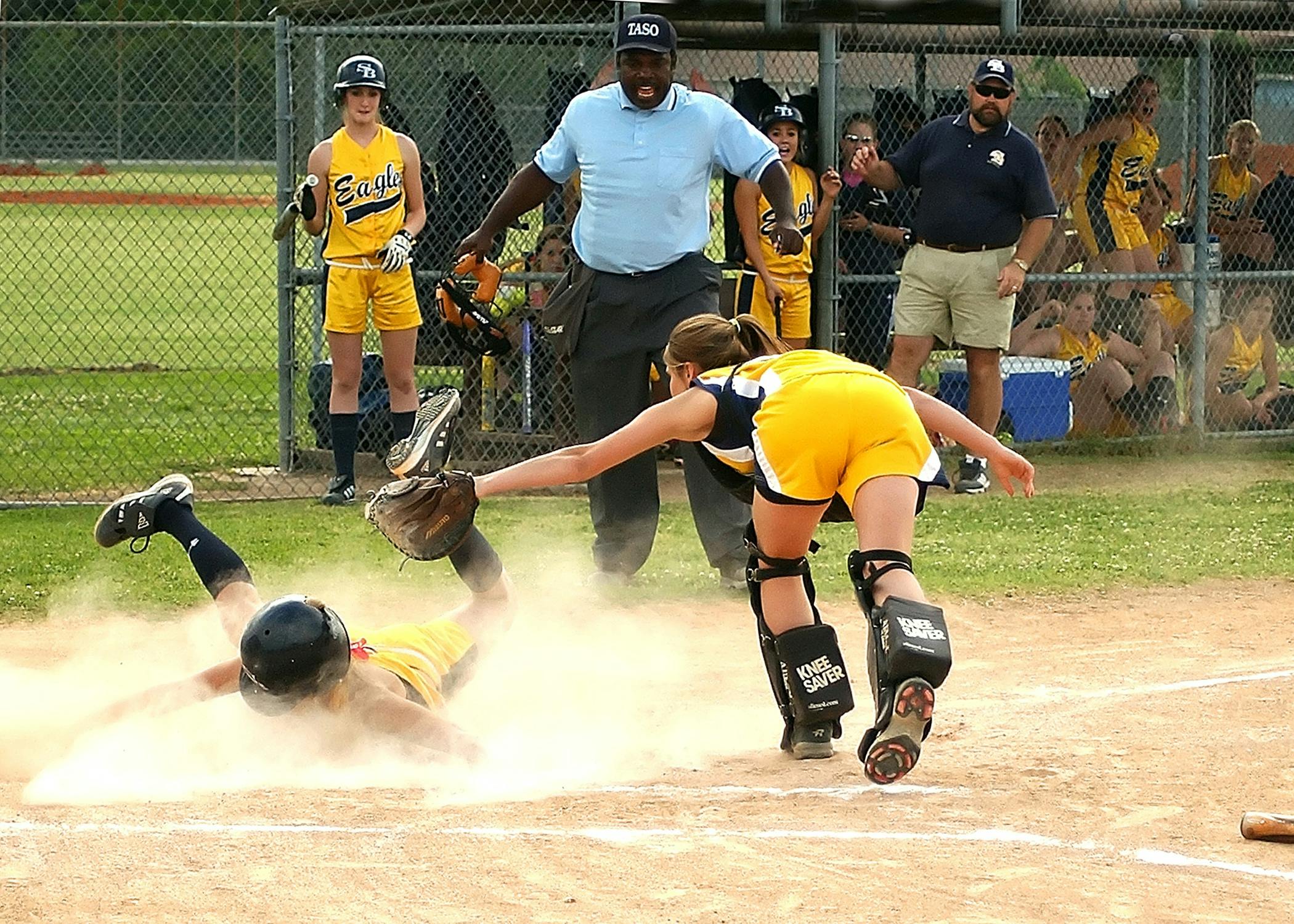
No matter what sport you play as a young athlete, it’s important that you find training and competing enjoyable, that you feel able to perform to the best of your abilities when it matters most, and that you develop and improve over time. Of course, focusing on your technical, tactical, and physical abilities is important in ensuring that all of this is possible. However, athletes who excel in their sport are typically those who also place emphasis on developing strong psychological skills. They also tend to be athletes who are coachable and eager to learn, who create positive relationships with teammates, and who have the potential to lead others.
These psychological and social qualities are often seen in the behaviour of top athletes and can be more easily grouped under the 5Cs: Commitment, Communication, Concentration, Control, and Confidence.
These 5Cs represent concrete pillars or building blocks of mental strength that you can develop in order to help you to thrive in your sport, while navigating the stresses and challenges you will face as a competitor.
Let’s take a brief look at each ‘C’ and how you might be able to demonstrate and develop each quality in your training sessions and competitions.

Commitment
An athlete who demonstrates high levels of commitment in training and competition is one who is well-prepared before the start. They consistently give their best effort and show a desire to learn, even if what they're faced with is challenging or their progress isn't going as well as they had hoped. One way to improve your commitment is by setting clear goals for improvement relating to both training and competition (e.g., asking yourself "what's one thing that I want to learn and work on in today's session?"). Then, taking just a few minutes afterwards to reflect on how the session went, paying attention to your strengths as well as what you learned for the next opportunity.
Communication
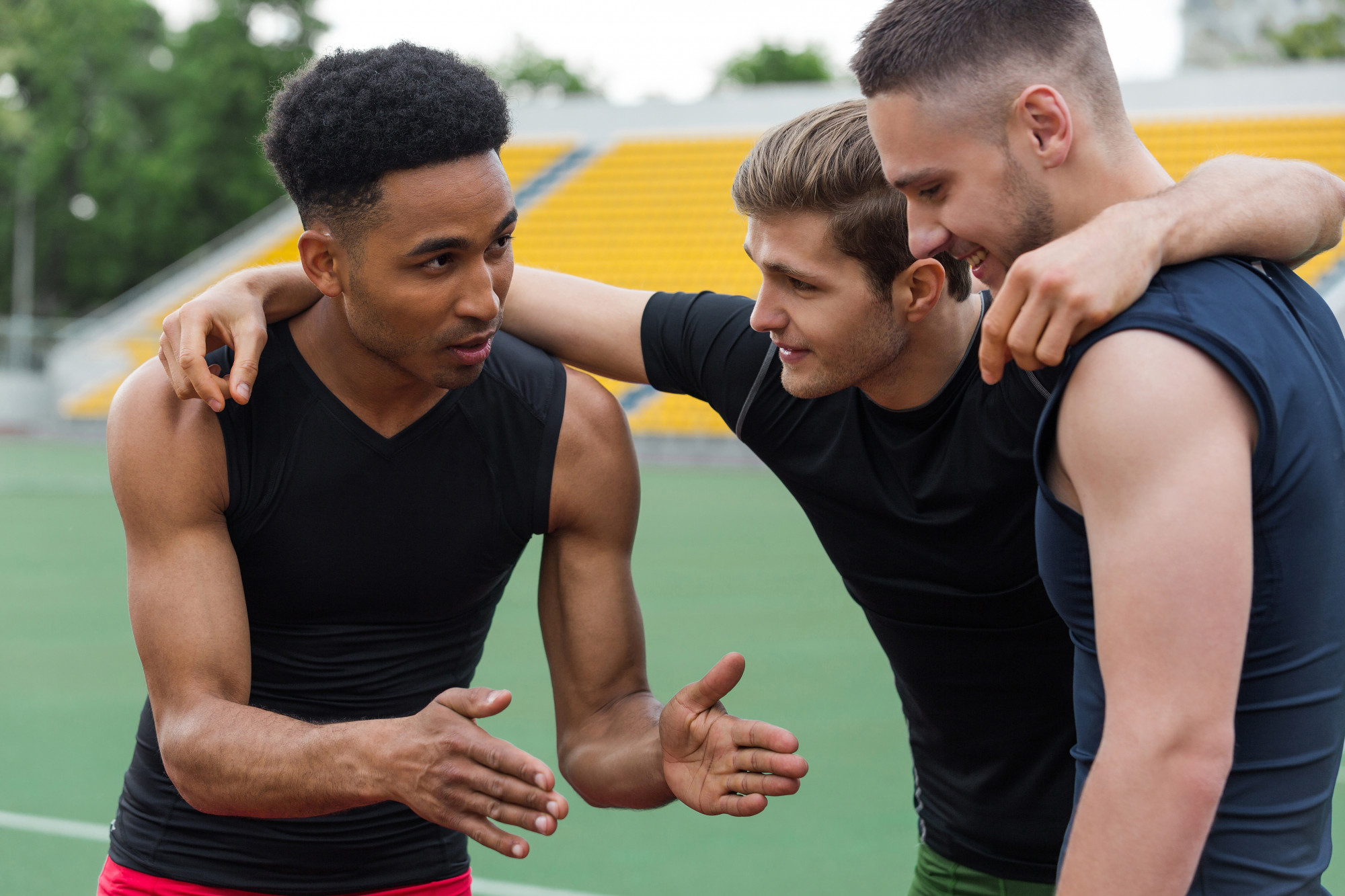
Communication focuses on athletes' interpersonal skills and their ability to interact positively with others. This involves sharing information with coaches, praising teammates, asking helpful questions, listening respectfully, and giving and accepting feedback. You can demonstrate and further develop your communication by using both verbal and non-verbal skills in order to be what we call a great HELPA – That is an athlete who Helps, Encourages, Listens, Praises, and Acknowledges others.
Concentration
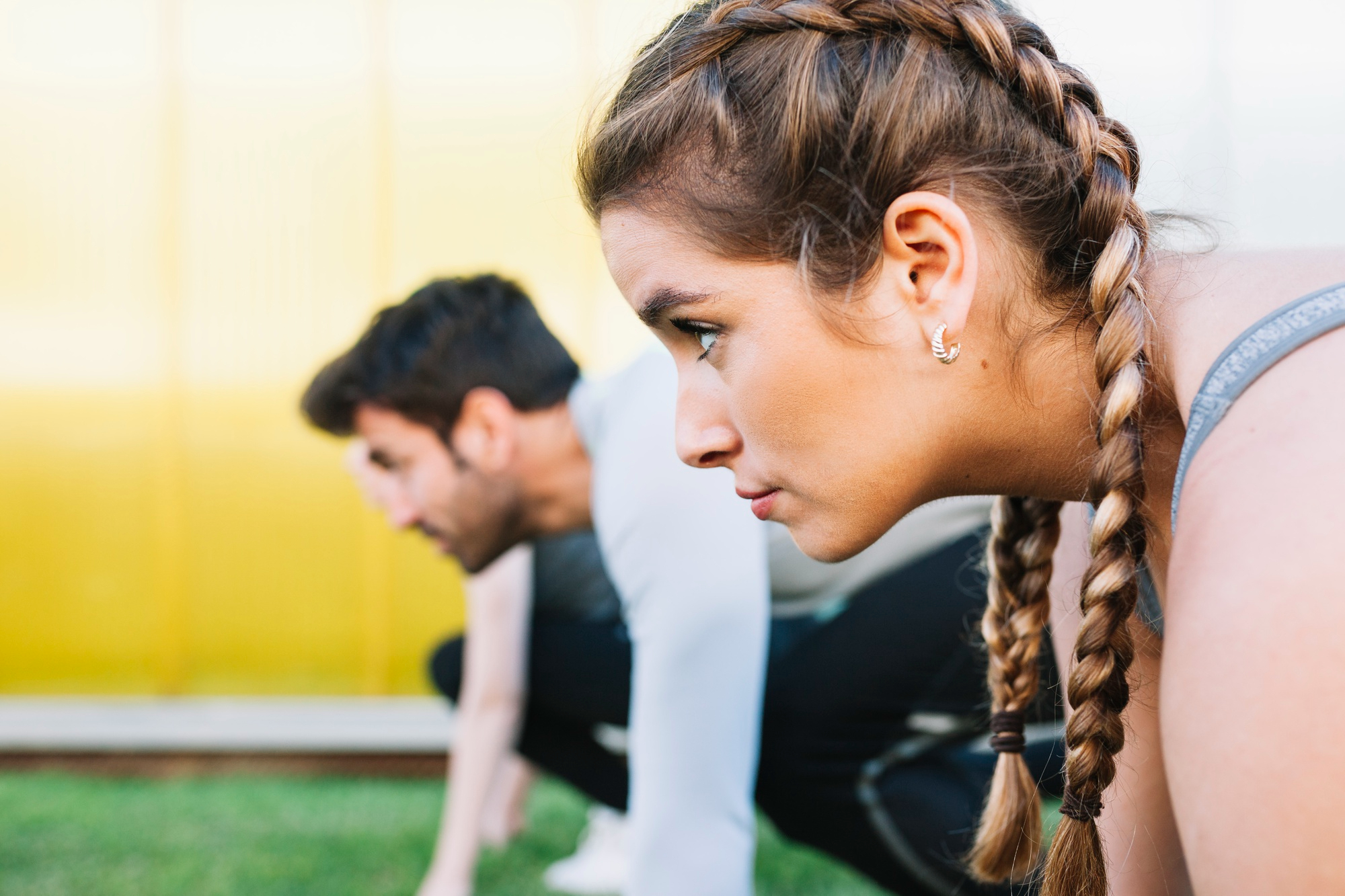
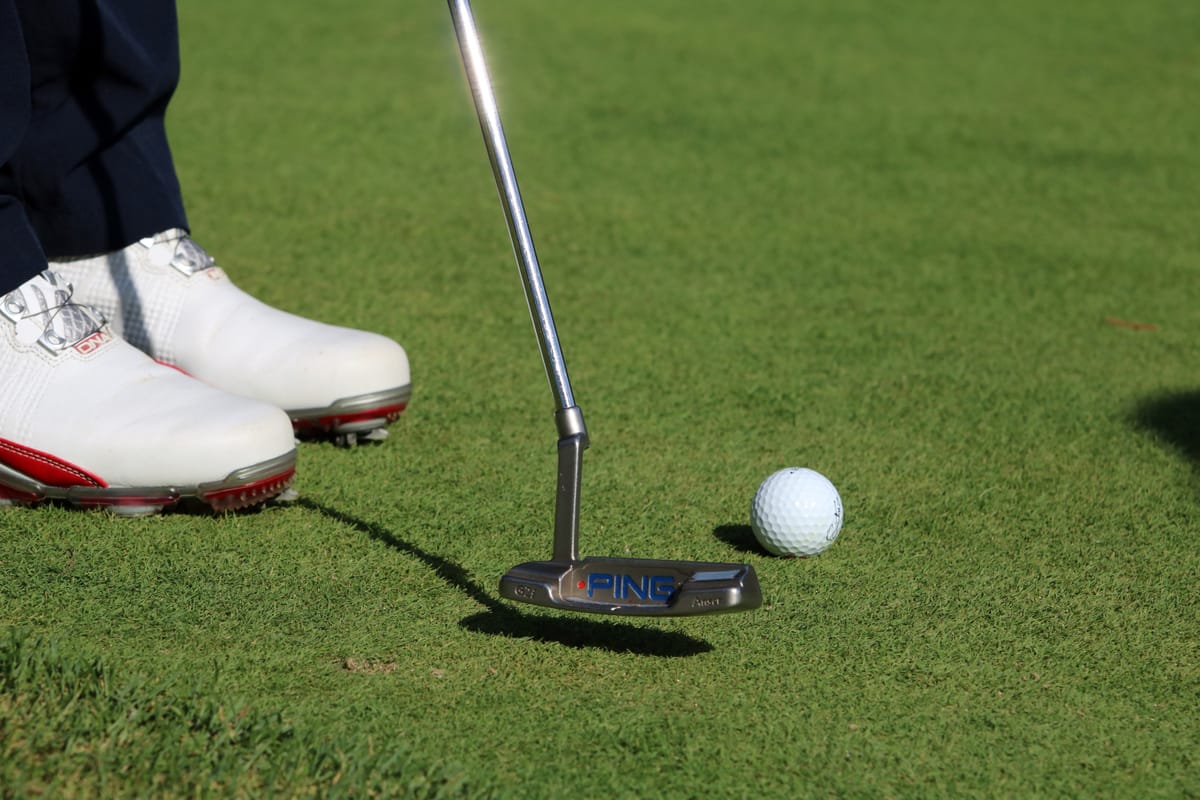
Concentration relates to an athlete's ability to focus on a specific task or role and what the task demands of you at that present moment. It challenges you to apply techniques enabling you to manage the distractions that can interfere with your momentum or rhythm. In order for you to improve your concentration, pay attention to your attention during training sessions and competitions. Where are your senses best placed for the tasks that you need to do well in your sport? What do you say to yourself to help you focus on the present? What tools, objects or even people do you use to bring you to the 'here and now'?
Control
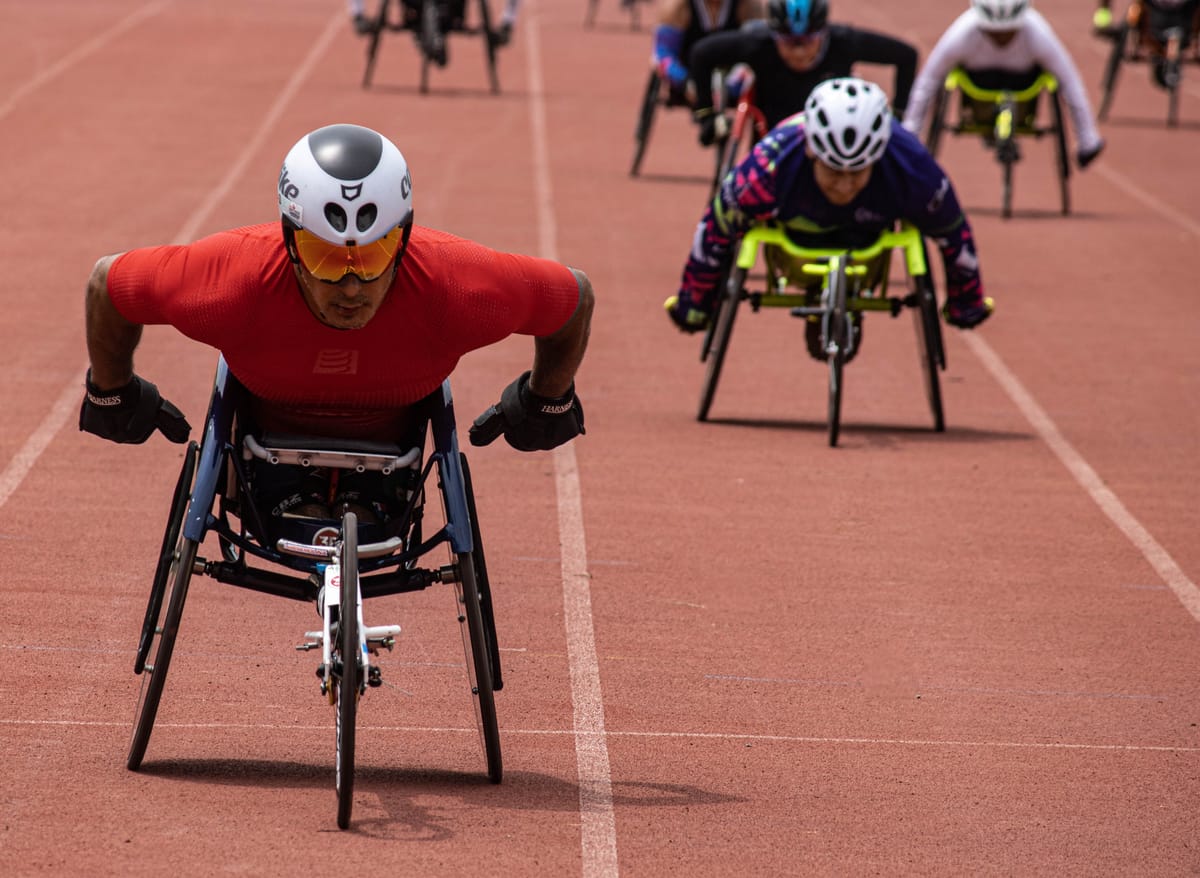
Control relates to an athlete's ability to understand, manage and use their emotions in effective ways before, during, and after a performance. An athlete who demonstrates good control will be composed yet alert before performing and will be able to "bounce back" quickly after challenges and mistakes that occur during performance. Being aware of your own thoughts, feelings, and emotions and sharing these with others before, during, and after training sessions and competitions is a key way in which you can develop control skills. There are also lots of useful activities that you can use to help you to manage emotions in effective ways. These include creating some quiet time and engaging in breathing for relaxation, as well as ensuring that your own self-talk is positive, caring and compassionate to your efforts. Consider how much you actually use techniques like these and how they might help you with the emotions that you will inevitably feel in competitive sport.
Confidence
The final C, confidence, reflects your ability to engage in decisions and actions that will help your belief in performing well or achieving a target that you have set. It is completely natural to feel as though your confidence can be really "up and down" in sport, but you can help your state of mind by considering what 'confident behaviour' is and committing to this. To build your confidence levels, focus on taking a positive attitude to a task or situation where you always see it as an opportunity to practice your skills and engage your strengths. Make sure you praise your strengths as opposed to taking them for granted. Try to make positive, courageous decisions in new situations because it is an achievement in itself to make the confident choice as one that will help your long term development. Confidence is a skill that athletes can develop, built on effort, improvements and support. When you show the Confidence 'C', you chose to approach challenges, take opportunities and make decisions that less confident athletes would see as threats.
Get in touch?
Please contact hello@the5cs.co.uk if you are interested in engaging in mental skills training using the 5Cs. We will contact you with details of 5C accredited practitioners who can help and also with educational modules when they become available.